
Honors Courses at MTSU
Honors students can pursue any undergraduate major at MTSU while completing a combination of Honors and non-Honors coursework. Through smaller classes, interdisciplinary seminars, approved Honors contracts, and other credit options, students can shape an academic experience that challenges them and supports their goals.
Whether you are choosing your first Honors course or planning your final semesters, this page explains the ways to earn Honors credit and how to plan your path toward graduation with University Honors.

Smaller classes, deeper conversations
Lower-division Honors courses typically have a maximum of 20 students, while upper-division Honors sections are limited to 15. These smaller settings encourage discussion, collaboration and engagement with course material.

Learning beyond the classroom
Depending on the course and your academic plan, you may earn Honors credit through interdisciplinary seminars, approved research, study abroad, internships, or an Honors contract.
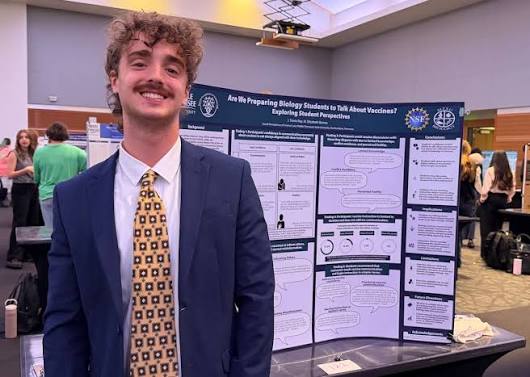
A plan built around your goals
Work with your Honors advisor to choose eligible courses and experiences that fit your major, your interests, and the Honors requirements that apply to your catalog year.
Find Your Honors Course Options
Honors credit can come from several types of coursework and approved academic experiences. Not every option applies to every student’s requirements, so talk with your Honors advisor before registering or making plans to substitute credits.
1. Honors Course Sections
Honors sections offer a more focused learning environment and opportunities for deeper engagement with course topics. Some Honors courses fulfill general education requirements, while others may support a student’s major, minor, or broader academic interests.
- Lower-division Honors sections typically have no more than 20 students.
- Upper-division Honors sections at the 3000 and 4000 levels are limited to 15 students.
- Interdisciplinary Honors seminars explore topics across academic fields.
Next step: Review available course offerings and discuss your schedule with your Honors advisor.
View Honors advising information
2. Interdisciplinary Seminars and Special Courses
Honors interdisciplinary seminars give students opportunities to examine complex topics from multiple perspectives. UH 3500 and other designated courses may fulfill specific upper-division Honors requirements, depending on the student’s catalog year and approved course plan.
Other opportunities, such as the Institute of Leadership Excellence, Visiting Artist Seminar, and Honors Lecture Series, may also contribute to particular Honors requirements.
Next step: Check with your Honors advisor to determine which courses and experiences fit your remaining requirements.
3. Honors Contracts
An Honors contract allows a student to earn Honors credit in an eligible course that is not designated as an Honors section. The student and instructor agree on additional or enhanced academic work that goes beyond the standard course requirements.
Eligible options generally include upper-division courses at the 3000 or 4000 level and certain 2000-level courses that the Honors College does not offer. Approval is required; a contract is not automatically accepted simply because a student completes extra work.
An approved Honors contract might involve:
- Conducting a more advanced research project.
- Developing a presentation or paper for a scholarly audience.
- Completing additional fieldwork or an academic project.
- Creating or presenting a substantial artistic or creative work.
- Completing an approved research or internship-related assignment.
Students may apply a maximum of two Honors contracts toward the applicable Honors requirements.
Important: The student and instructor must develop the contract together, and the Honors College must approve the proposed work. Current published deadlines are Sept. 30 for fall courses and Feb. 15 for spring courses. Confirm current deadlines and eligibility before beginning the process.
Next step: Read the contract guidelines and submit the online form.
Review Honors contract guidelines and application
4. AP, IB, Governor’s School and Other Eligible Credit
Some previously earned academic credit may count toward Honors requirements, subject to the applicable rules and approval. Eligible options can include:
- Advanced Placement (AP) credit with qualifying scores.
- Approved International Baccalaureate (IB) credit.
- Tennessee Governor’s School credit with a qualifying grade.
- Cambridge International credit with qualifying scores.
- Eligible ACT/SAT credit for ENGL 1010.
For students following the Honors requirements introduced in summer 2024, up to 9 hours of qualifying AP, IB and Governor’s School credit may apply toward the 15-hour portion of the Honors curriculum. Certain ENGL 1010 credit may also apply under the published rules.
Credit eligibility depends on the type of credit earned, the student’s catalog year and the requirements being completed. Do not assume that every transfer or examination credit automatically counts toward Honors requirements.
Next step: Review your academic record with your Honors advisor to confirm which credits can be applied.
Review Honors graduation requirements
5. Study Abroad
Approved study abroad coursework can provide academic credit while allowing students to learn through international experiences. Eligible study abroad credits may also count toward certain Honors requirements when approved under program rules.
Students should discuss the proposed experience and credit plan with their Honors advisor before committing to a program.
Next step: Explore study abroad options and confirm how a planned experience could apply to your Honors curriculum.
6. Approved Internship and Research Credit
Some approved internship and research credits may count toward Honors requirements. The course or experience must meet University and Honors College requirements, and approval may be necessary before the credit can be applied.
These options can help students connect academic learning with professional experience, independent inquiry or work in their field of interest.
Next step: Talk with your Honors advisor before registering for research or internship credit you hope to use toward Honors graduation.
Review Honors forms and credit options
Plan Your Honors Coursework
Planning ahead helps you make progress toward graduation while keeping your Honors coursework aligned with your major and other academic commitments.
How many Honors hours do I need?
The number of hours required depends on your catalog year and the Honors pathway you are completing.
Students following the requirements introduced in summer 2024 generally need 23 hours to graduate from the University Honors College:
- 15 hours of eligible Honors coursework at any level.
- Eight hours of upper-division Honors coursework, including the required interdisciplinary or approved substitute experience, Honors Lecture Series, thesis tutorial, and thesis project.
Students following catalog requirements from before summer 2024 may be subject to the previous 29-hour curriculum. Certain approved contracts, research, internship, study abroad, and examination credits may count toward these requirements, subject to program rules.
Your catalog year matters. Consult your Honors advisor before making decisions about which courses to take or which credits to apply.
See the complete Honors graduation requirements
What is the Honors thesis?
The Honors thesis is the capstone experience for students completing the applicable Honors graduation pathway. Students conduct scholarly research or develop a substantial creative project under the guidance of a faculty mentor.
The thesis process generally includes two courses:
- UH 4900: Thesis Tutorial. A one-credit, pass/fail course focused on developing a thesis proposal.
- UH 4950: Honors Senior Independent Study Research or Creative Project. A three-credit course in which students complete their approved research or creative project.
Students should plan ahead with a faculty mentor and Honors advisor to meet enrollment, proposal and completion requirements. Physics and astronomy students may have designated course substitutions.
Explore thesis requirements, forms, and resources
How to Get Started
If you are new to Honors coursework or planning your next semester, use these steps to build a schedule that fits your academic plan.
- Review your remaining requirements. Check your degree plan and the Honors requirements that apply to your catalog year.
- Explore available courses. Identify Honors sections, interdisciplinary seminars and other approved opportunities that interest you.
- Meet with your Honors advisor. Confirm that planned courses and experiences will count toward the requirements you need.
- Check deadlines before pursuing alternatives. Honors contracts and research, internship or study abroad credit may require advance planning or approval.
- Plan your thesis early. If you intend to graduate with University Honors, talk with your advisor about the timeline for finding a faculty mentor, developing your proposal and completing your project.
Ready to plan your next semester?
Your Honors advisor can help you understand course options, track your progress and determine which opportunities fit your academic goals.
Explore More Honors Opportunities
Honors coursework is one part of the broader Honors experience. Explore these resources to learn about additional academic and professional opportunities.
Honors Lecture Series
Explore the lecture series and its interdisciplinary topics.
Study Abroad
Discover international learning opportunities and ask how approved credits may fit your plan.
Thesis and Undergraduate Research
Learn about independent research, creative projects and faculty mentorship.
Institute of Leadership Excellence
Explore leadership development and related academic opportunities.
Frequently Asked Questions About Honors Courses
Can I major in any field and participate in Honors?
Yes. Honors students can pursue any undergraduate major offered at MTSU. Your Honors coursework can be planned alongside your major and other degree requirements.
Do Honors courses count toward my degree?
Many Honors courses fulfill general education or other degree requirements, but this depends on the specific course and your academic plan. Confirm how a course applies to your degree with your academic advisor.
What if my major does not offer enough Honors courses?
You may have other options, including eligible Honors contracts, interdisciplinary seminars, and approved academic experiences. An Honors advisor can help you determine which options qualify for your remaining requirements.
Do Honors courses carry more credit hours than regular courses?
Not necessarily. Honors designation does not automatically mean a course carries additional credit hours. The number of hours depends on the course itself.
Can I use study abroad, internship, or research credit toward Honors requirements?
Some approved credits may count toward applicable Honors requirements. Eligibility, limits, and approval procedures vary, so consult your Honors advisor before enrolling or making commitments.
Can I graduate from the Honors College without completing a thesis?
Students pursuing graduation from the University Honors College must complete the applicable thesis or approved creative project requirements. Students should consult an Honors advisor about the appropriate pathway for their circumstances.
For additional answers about eligibility, registration, requirements, and student opportunities, visit the Honors College FAQ page.